

gym wall mirrors
Spline go no go gauges are essential tools used in precision engineering to ensure the accuracy and quality of spline fits. A spline is a series of ridges or teeth on a shaft or in a groove, used for the purpose of transferring torque between mechanical components. The spline go no go gauges are designed to check whether the internal or external spline fits within the specified tolerances. These gauges are critical in ensuring the performance and longevity of components that rely on precise mechanical connections. The spline go no go gauges operate by providing two separate gauge sizes: one marked as "go" and the other as "no-go." The "go" gauge verifies that the spline fit is within the minimum tolerance, ensuring that the part is not too tight, while the "no-go" gauge confirms that the spline fit is not too loose, ensuring proper engagement. This dual-check system provides engineers with an effective and reliable way to inspect spline fits and prevent defective or substandard components from being used in manufacturing processes. Using spline go no go gauges helps manufacturers maintain the highest levels of quality control, preventing costly errors in mass production or repairs. These gauges are especially important in industries where even the slightest misalignment or deviation in part dimensions could lead to system failure. Therefore, ensuring that each component meets the correct specification with the help of spline go no go gauges is crucial for maintaining the safety and integrity of the final product. These gauges also help streamline production, reducing the need for extensive rework or inspection by machine operators, thus saving time and costs. The use of spline go no go gauges in various industries, such as automotive, aerospace, and machinery manufacturing, underscores their importance in ensuring that precision engineering standards are met. With these tools, manufacturers can confidently produce parts that meet stringent quality standards and perform optimally in their applications. The Importance of Adhering to Spline Gauge Standards in Manufacturing The spline gauge standard serves as the foundation for creating and measuring spline fits accurately in precision engineering. These standards are developed by international organizations such as ISO and ANSI to ensure that spline dimensions, geometry, and tolerances are consistent across various industries. Adhering to the spline gauge standard is critical to ensure that components are interchangeable and perform reliably in different mechanical systems. By following the spline gauge standard , manufacturers can guarantee that the parts they produce will meet the required specifications and will fit properly with other components. This standardization helps reduce the chances of assembly errors, minimizes the risk of malfunctioning parts, and ensures the long-term performance of complex systems. Whether designing gears, shafts, or couplings, maintaining a consistent spline gauge standard is key to producing high-quality, dependable components that meet the demands of industries like automotive, aerospace, and heavy machinery. The spline gauge standard is not just important for ensuring compatibility and functionality; it also helps manufacturers maintain efficient production lines. By working within a standardized framework, engineers can design and produce components that can be easily mass-produced without sacrificing quality. It also allows for the creation of interchangeable parts, which simplifies repairs and maintenance tasks, as damaged components can be replaced quickly with compatible alternatives. Additionally, adhering to the spline gauge standard helps manufacturers avoid costly mistakes during the production process. By ensuring that each part meets precise specifications, manufacturers can reduce waste, minimize the need for rework, and cut down on quality control costs. Overall, following the spline gauge standard is essential for creating components that meet industry requirements and provide the best possible performance in demanding applications. Spline Gauges & Tools Pvt Ltd: A Leading Name in Precision Tools Spline Gauges & Tools Pvt Ltd has emerged as a leading manufacturer and supplier of precision tools for industries that demand high levels of accuracy and reliability. Specializing in a wide range of products, including spline go no go gauges , spline ring gauges , and other precision measuring instruments, Spline Gauges & Tools Pvt Ltd has built a reputation for delivering top-quality tools that meet the highest industry standards. With a focus on innovation and precision, Spline Gauges & Tools Pvt Ltd provides customers with the tools they need to ensure that their manufacturing processes are efficient and error-free. The company's commitment to quality has made it a trusted partner for companies in sectors like automotive, aerospace, and machinery manufacturing, where precision is paramount. By offering a diverse range of products, Spline Gauges & Tools Pvt Ltd has become an integral part of the supply chain for precision engineering tools, offering solutions that help companies meet their stringent quality requirements. The company's spline gauges are manufactured using the latest technology and stringent quality control processes. Each gauge is meticulously designed and crafted to meet the required specifications, ensuring consistent and reliable performance across all applications. Whether it’s for checking spline fits, verifying component tolerances, or ensuring the accuracy of threaded connections, the products from Spline Gauges & Tools Pvt Ltd provide engineers with the confidence they need to produce parts that are both durable and precise. Furthermore, Spline Gauges & Tools Pvt Ltd offers excellent customer service and technical support, helping manufacturers select the right tools for their specific needs. Whether it’s a custom-designed spline gauge or an off-the-shelf product, Spline Gauges & Tools Pvt Ltd ensures that customers have access to the best possible tools to maintain their manufacturing operations at peak efficiency. The Functionality and Versatility of Spline Ring Gauges A spline ring gauge is a critical tool used to check the external spline dimensions of a part. These gauges provide an effective way to measure the diameter, pitch, and form of external splines, ensuring that components are manufactured to the required specifications. The spline ring gauge is typically used in conjunction with other gauges such as the spline go no go gauges to provide a comprehensive inspection of spline fits. The spline ring gauge works by providing a set of rings that match the nominal size of the external spline. The part being inspected is inserted into the ring gauge to verify that it meets the required tolerance. If the part passes through the gauge without resistance, it indicates that the spline fits within the acceptable range. Conversely, if the part does not pass through the gauge, it indicates that the spline is either too large or too small, signaling a potential issue with the part's dimensions. The spline ring gauge is invaluable for ensuring that external splines are precise and functional, allowing parts to be assembled smoothly without the risk of misalignment or failure. These gauges are widely used in industries such as automotive, where components with external splines are common, including axles, driveshafts, and other drivetrain components. By using spline ring gauges , manufacturers can ensure that each part meets the required standards and will function correctly in the final product. Additionally, spline ring gauges offer the versatility to measure different types of splines, such as involute, straight, or serrated splines, making them essential tools in various mechanical systems. The accurate measurement provided by these gauges helps manufacturers avoid costly errors and ensure that all parts are within specification, reducing the likelihood of system failure and increasing the overall reliability of the final product. How Spline Gauges Are Used to Ensure Precision in Manufacturing Spline gauges are used throughout the manufacturing process to ensure that components meet the precise dimensions required for proper assembly and function. Whether it's the measurement of internal or external splines, spline gauges are essential tools for verifying that each part is manufactured to exact tolerances, ensuring compatibility with other components and avoiding costly defects. In addition to their use in checking spline fits, spline gauges are often employed in the design phase of product development. Engineers rely on these gauges to confirm that their designs will result in parts that can be successfully produced and assembled. By using spline gauges to measure prototype components, manufacturers can identify potential issues early in the design process, preventing delays and reducing the risk of costly rework later in production. Moreover, spline gauges are indispensable in quality control and inspection processes. After parts are manufactured, they are tested using spline gauges to confirm that they meet the required specifications. This ensures that only parts that meet the highest quality standards are used in final assemblies, minimizing the risk of defects or failures in the field. The use of spline gauges also extends to maintenance and repair applications. When repairing or replacing parts in mechanical systems, it is important to ensure that the new parts fit correctly. Spline gauges provide a quick and accurate way to verify that replacement components are compatible with existing parts, reducing the risk of system downtime and ensuring that the system continues to perform optimally. In conclusion, spline gauges are essential for maintaining the precision, reliability, and functionality of components in a wide range of industries. By ensuring that parts are manufactured to the highest standards and accurately inspected throughout the production process, these tools help companies deliver high-quality products that meet the demands of their customers.
about
gym wall mirrors
Types of Control Valves and Their Applications Control valves are essential components in various industrial processes, regulating the flow, pressure, temperature, and levels of fluids. Their functionality significantly influences the efficiency and safety of operations in industries such as oil and gas, water treatment, chemical manufacturing, and HVAC systems. Understanding the various types of control valves and their applications helps engineers select the appropriate valve for specific operational needs. 1. Globe Valves Globe valves are one of the most commonly used types of control valves. They consist of a movable disk or plug and a stationary ring seat in a generally spherical body. Globe valves are designed to provide good throttling and flow regulation capabilities. Their primary applications include steam, fuel oil, and water services. Due to their design, they are well-suited for applications where precise flow control is crucial. 2. Ball Valves Ball valves utilize a spherical disc to control fluid flow. The valve can be opened or closed with a quarter turn of the handle. Although they are better suited for on/off service than for throttling, there are specialized ball valves designed for flow regulation. Ball valves are widely used in water distribution, natural gas services, and in applications requiring fast shut-off capabilities due to their durable construction and reliability. 3. Butterfly Valves Butterfly valves consist of a circular disc mounted on a shaft. When the shaft rotates, the disc either allows or blocks flow. These valves are lightweight and compact, making them an excellent choice for large volume applications. They are suitable for water treatment plants, ships, and chemical processing. Butterfly valves offer quick opening and closing and are ideal for isolation and throttling service. types of control valves and their applications 4. Check Valves Check valves, or non-return valves, allow fluid to flow in one direction while preventing backflow. They rely on the fluid's pressure to operate and are commonly found in plumbing systems, wastewater treatment, and other applications where backflow could lead to system failures. Though they are not inherently control valves, they play a crucial role in maintaining system integrity. 5. Pressure Relief Valves Pressure relief valves are specialized control valves designed to release excess pressure from a system. They automatically open at a predetermined pressure to protect equipment from damage. These valves are critical in applications involving steam boilers, storage tanks, and chemical processes, ensuring safety and compliance with regulatory standards. 6. Solenoid Valves Solenoid valves are electromechanically operated valves used to control fluid flow. They rely on electromechanical solenoids to open or close the valve. Solenoid valves are particularly useful in automated processes, such as those found in car wash systems, irrigation controls, and chemical dispensing. Their quick response time makes them ideal for applications requiring precise and responsive flow control. Conclusion In summary, understanding the different types of control valves—globe, ball, butterfly, check, pressure relief, and solenoid—is essential for optimizing industrial applications. Each valve type has its own unique advantages and ideal usage scenarios. Selecting the right valve can greatly enhance operational efficiency, safety, and reliability in fluid handling processes. As industries continue to evolve, the advancements in control valve technology promise to provide even more effective solutions for complex control challenges.
-

High quality industrial productsagement

High quality industrial products
View Details -

Meet the diverse needs of customers

Meet the diverse needs of customers
View Details -

Strict quality control

Strict quality control
View Details -

Top raw materials

Top raw materials
View Details -

Trusted supplier

Trusted supplier
View Details
Our application


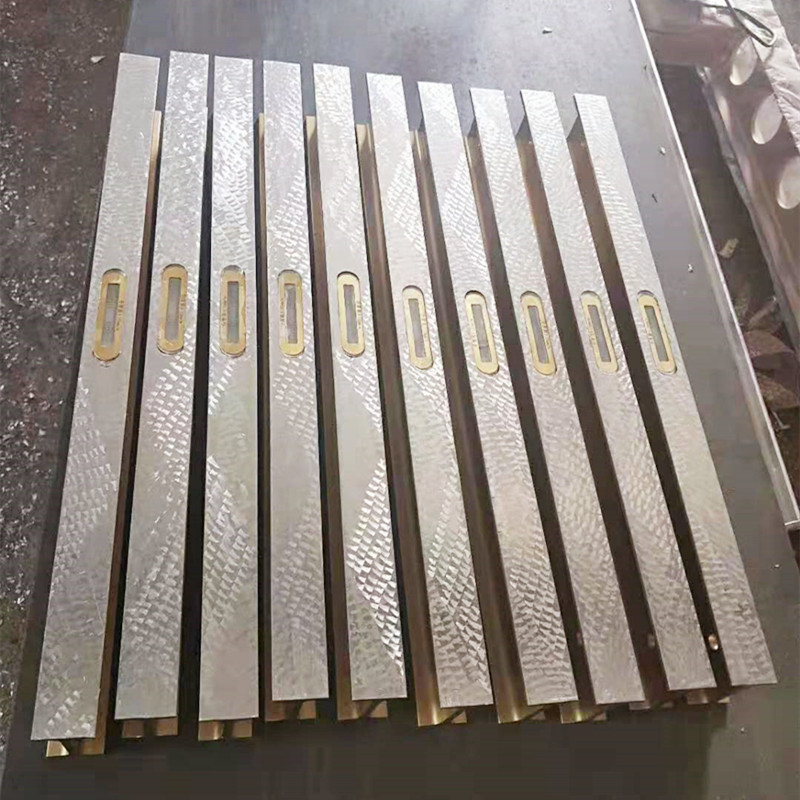
news and information
Y Shaped Strainer for Efficient Filtration and Fluid Management Solutions
Understanding Y-Shaped Strainers Essential Components in Fluid Systems In various industrial and com
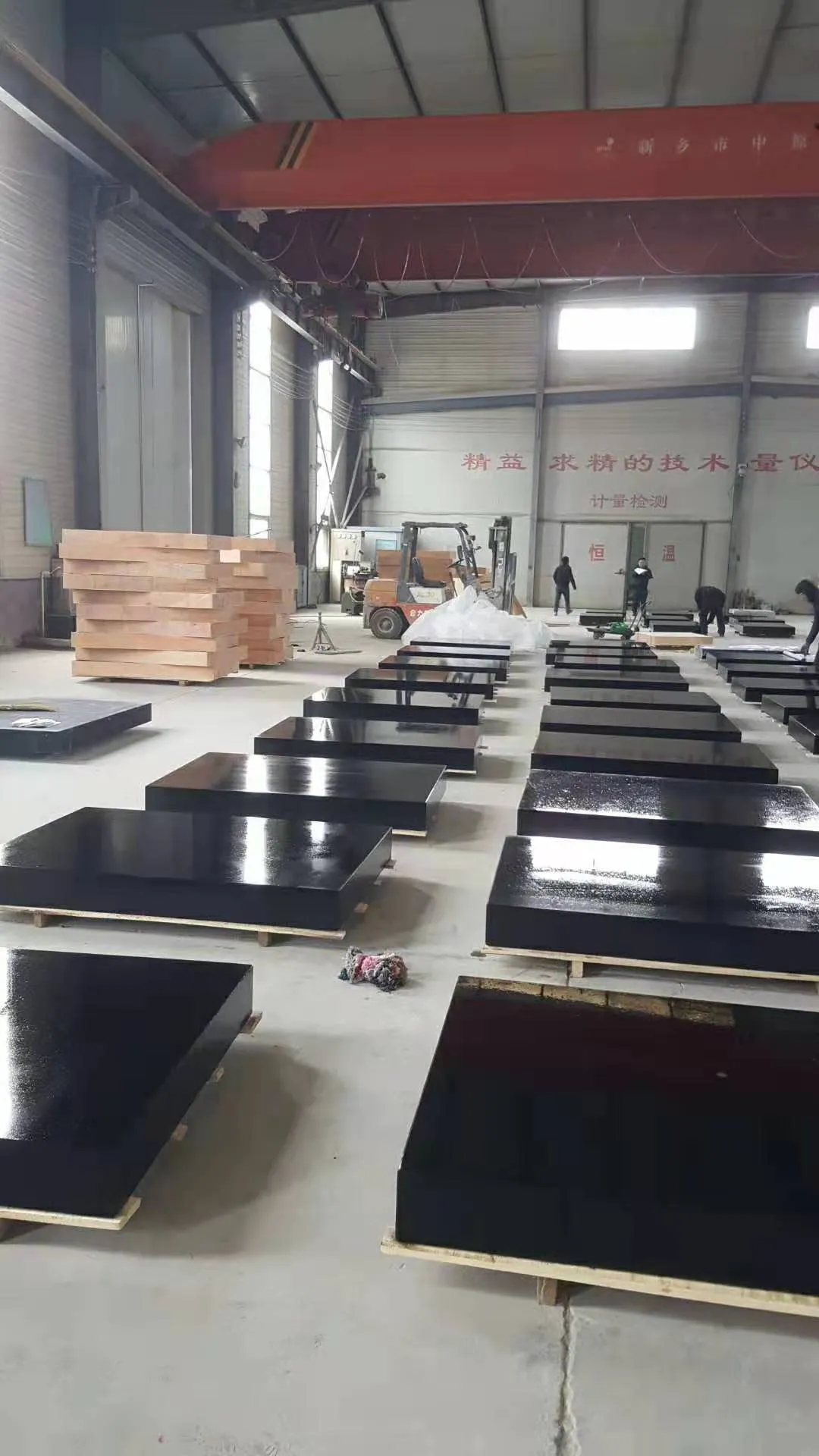
Vente de clapets anti - retour
Vente de vannes anti-retour Un choix judicieux pour votre système hydraulique Les vannes anti-retou
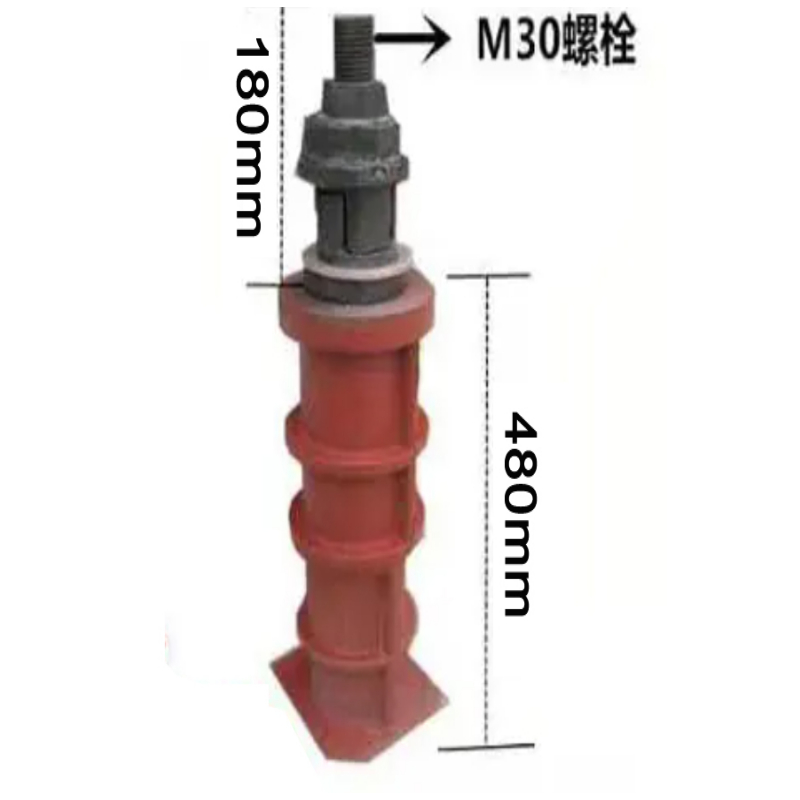
Using Ring Gauge for Precision Measurements in Quality Control Testing
The Importance of Ring Gauges in Quality Control In the world of manufacturing and engineering, prec
 English